
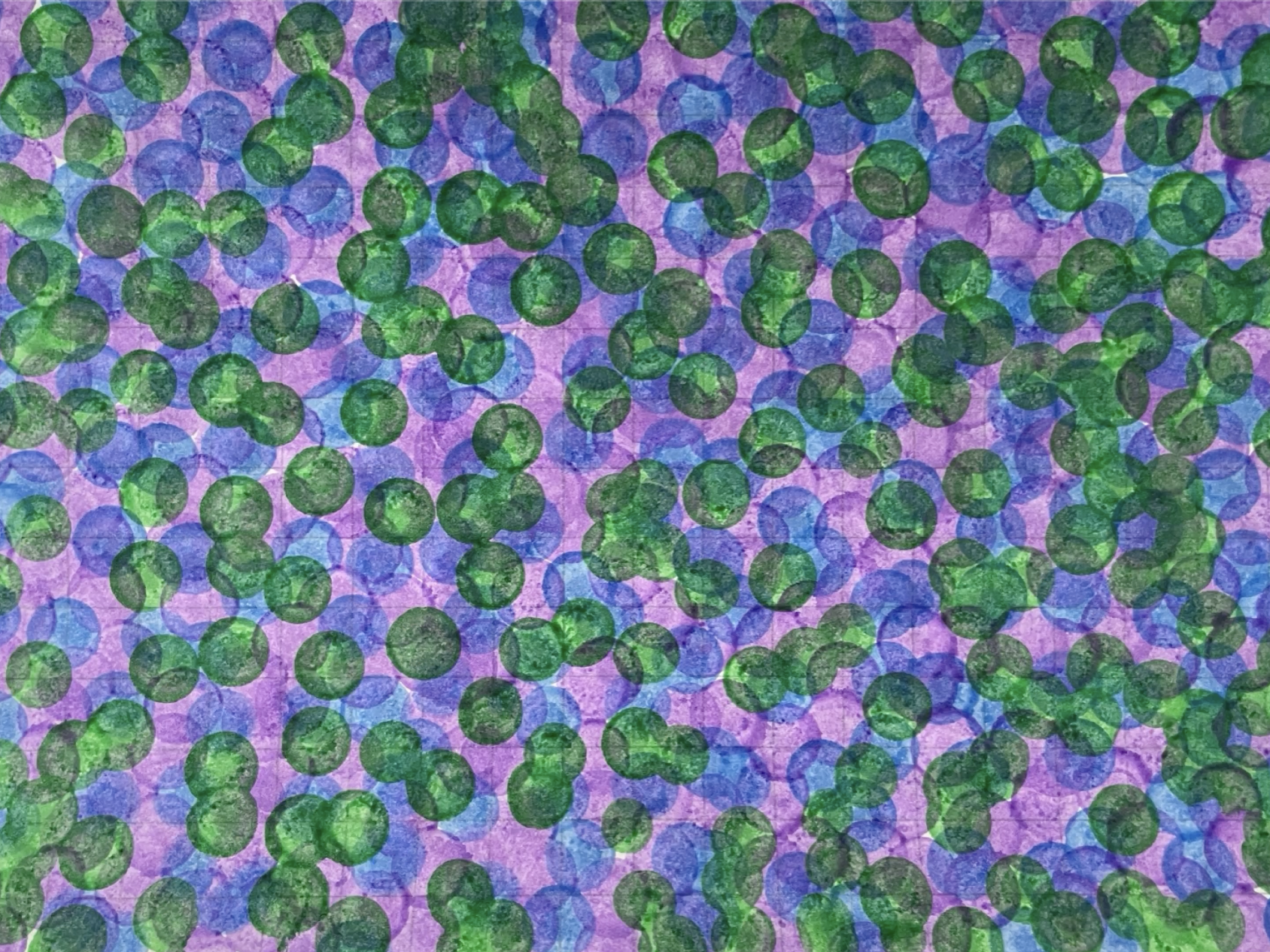
DIGITAL TEST COMMISSION - ARTIST EXPERIENCE
BETH J ROSS
‘BINGO! Memories of County Durham Bingo Halls’
A musical, lyrical celebration of found-image, local research, first-hand anecdotes and nostalgic stories of lost County Durham Bingo Halls and their communities.
Artist film by Beth J Ross, music produced by Tony Brown and Liam Huitson featuring live Bingo calling audio recorded by the artists, mixed and mastered by Tony Brown, supported by OGRE Studio.
Whilst the Digital Test Commissions strand is about the process of testing new digital tools, methodologies and thinking that encourages discovery within artistic practice, we also encourage and support new experimental artistic works that engage with communities. This informs artist’s continued professional development (CPD), with support and mentorship from our digital programme lead, OGRE Studio.
Experiences of artists have ranged from overcoming technical hurdles, learning and experimenting with new software, media, tools and AI, This tests new ways of working and facilitates community-engagement and community-generated input - all with a focus on unlocking practice through digital means.
ARTIST INTERVIEW - BETH ROSS ON BINGO!
NMN: Hey Beth, How’re you doing? What have you been up to with your practice recently? We’re loving seeing all the different projects you’ve been part of!
BR: Hello, I’m good. I’ve been working lots on the Bingo! film for No More Nowt and also on some new large Bingo inspired prints which I hope to share soon. Other than that, I’m working on a commission for Blyth Celebrates called Collage Club with artist Ronan Devlin. I’ve also just finished some paintings as part of a project in Berwick and hoping to exhibit those in the summer.
NMN: If you could tell any other artists that might want to apply for a Digital Test Commission in the future who’s ‘on the fence’ about applying, what would you say to them?
BR: Go for it. It’s been a really great process. I had an idea, and with the support of No More Nowt was able to bring it to reality. Some things didn’t work out quite as imagined, but that was the ‘test’ part and was OK.
NMN: Tell us a bit about your work, broadly?
BR: I’ve always been interested in heritage and archival research, and in how contemporary art can respond to those materials in a way that feels alive and connected to people. I like thinking about how art can appear in non-gallery spaces too, those moments where you just happen upon something unexpectedly, and how that can create opportunities for people who might never come to a workshop or a formal exhibition.
Women, feminism, memory and place run through a lot of my work, even though most of what I make is very abstract. I’m interested in how colour, shape and pattern can hold stories, or hint at something that’s been forgotten or overlooked. While painting is a big part of my practice, I’ve also worked with textiles and light, and more recently I’ve started experimenting with sound and film. I’m enjoying figuring out how to bring all of these together, and how the visual language of shapes and patterns I’ve developed can translate across different mediums.
NMN: Tell us about your Digital Test Commission?
BR: The Test Commission has been all about exploring the lost bingo halls of County Durham and finding a way to bring those stories back into view. I spent a lot of time in the early stages hunting down names, photos and tiny fragments of information about places that don’t exist anymore. I did visits to The Story in Durham, scrolled through old newspapers, went through Facebook groups, and followed some very niche rabbit holes online. In the end I was able to identify 31 bingo halls, with photos for most of them.
Once I had enough material, I created a Facebook group and started sharing the photos, which is where everything suddenly came to life. People commented with memories, shared the posts, tagged their families, and built whole conversations in the comments. It felt like a digital version of sitting around a table and chatting. Alongside that, I made hand-drawn “dabber drawings,” field recordings, and practiced simple animation and stop motion. I then worked with Liam Huitson and Tony Brown to create a soundtrack using the audio I collected. All of this came together in a short film that celebrates this lost social world in a colourful and slightly nostalgic way.
NMN: What's been good for your practice through the Test Commission
BR: It’s been great to have time and funding to properly explore an idea without needing everything to be perfect from the start. The support from Steven Walker and OGRE Studio has been brilliant too, whether it was talking through stuck moments, figuring out tech things, or just having someone who understood the project from the beginning. The budget also meant I could bring in collaborators like Liam and Tony, which made the work much stronger.
Engaging with people through Facebook was a real highlight. I loved seeing how people responded and it’s made me think a lot about how digital spaces can bring communities into the work in gentle, informal ways. The project has also helped me expand my practice, I’ve gained confidence with stop motion, sound, and the whole idea of making short films. It’s opened up a new strand of work that sits comfortably alongside my paintings, drawings and textiles, but lets me tell stories in a different way.
NMN: What's been surprising during your Test Commission?
BR: I got some brilliant responses, people were really good at sharing their memories and those of their families. It felt quite sad to know that all those bingo halls across the county, where people had such a lovely social time (and won small and large prizes) have now gone. I was also surprised at how little there is in the archives, it feels like once people have forgotten this, it could just disappear.
NMN: What's been challenging during your Test Commission?
BR: Stopping! It’s been such a great project and I could easily have carried on for a year or more. Once I started digging into the history of the bingo halls it just kept opening up, every building had its own story, every comment someone left made me want to explore another thread. There was so much more I wanted to look into, from the buildings (what happened to them?) to the prizes people won to following up on individual memories, to starting a Bingo! club.
The research also took longer than I expected. A lot of the information simply isn’t recorded anywhere, so it involved piecing things together bit by bit, following tiny leads and sometimes going round in circles. I had to keep reminding myself of the time frame and make decisions about what to focus on. Even then, I was still finding interesting things right up until the end. So the challenge wasn’t the project itself, it was knowing when to stop and accept that this was just the first part, not the whole story.
NMN: What would your advice be to other artists considering exploring what digital can mean for their practice
BR: I think it’s about using what you know and then pushing out from that, so small steps. There’s so many different ways you can use digital in your practice and it’s finding the thing that makes you think ‘ooh, yes, that could be fun’.
This is a summary of Beth’s experience.
Beth’s work captures stories and social history moments of the lost Bingo Halls and night of County Durham through, playfully examining one of the last living memory instances of such a large-scale social activity of women.
The result is a musical, lyrical celebration of found-images, local research, family anecdotes and nostalgic stories - from public engagement, taking the form of a lyric video, featuring animated elements of collective memory, early internet photography of Bingo halls and a range of the artists ‘Bingo Paintings’ [produced for each of the main Bingo Halls where stories have come from, produced in an abstract pointillism style using classic Bingo dabber pens]. These are synchronised and set to original music, by producers Tony Brown and Liam Huitson, featuring ‘Donna Summer vibes’ and live audio of a contemporary Bingo caller recorded by the artist.
Calling out for place-based Bingo stories across many local Facebook groups, Beth’s work also made use of a real mixture of shared living memory. At one side of the community engagement experience people gave fond detailed memories, and on the other, the limitations of social media for older people perhaps played a part in the public engagement. Here, snippets of stories were shared with (seemingly) as few words as possible, or took the form of people tagging others who might have family Bingo-related stories, but often went unnoticed or never replied to. This in itself, was captured as part of Beth’s work.
Experience/Process:
Beth’s Test Commission is nearing completion. With her video finalised, the artist is now into the final phase responding to a Q&A interview, which will be added to this web-page. Check back in early December to read the interview.
The artist has made fantastic progress with what was expected to be a difficult online participatory element relating to experiences of engagement levels of older people using social media. The artist has had over 20 participants providing valuable input so far, and final numbers will be shared here once an update is available.
Beth also had an in-depth interview on BBC Radio Tees with the host doing a big shout out CTA to search the project on Facebook, but resulted in awareness rather than responses.
Stills & Dabber Drawings:

Still of text element from ‘BINGO! Memories of County Durham Bing Halls’.

Still of photo element from ‘BINGO! Memories of County Durham Bing Halls’.
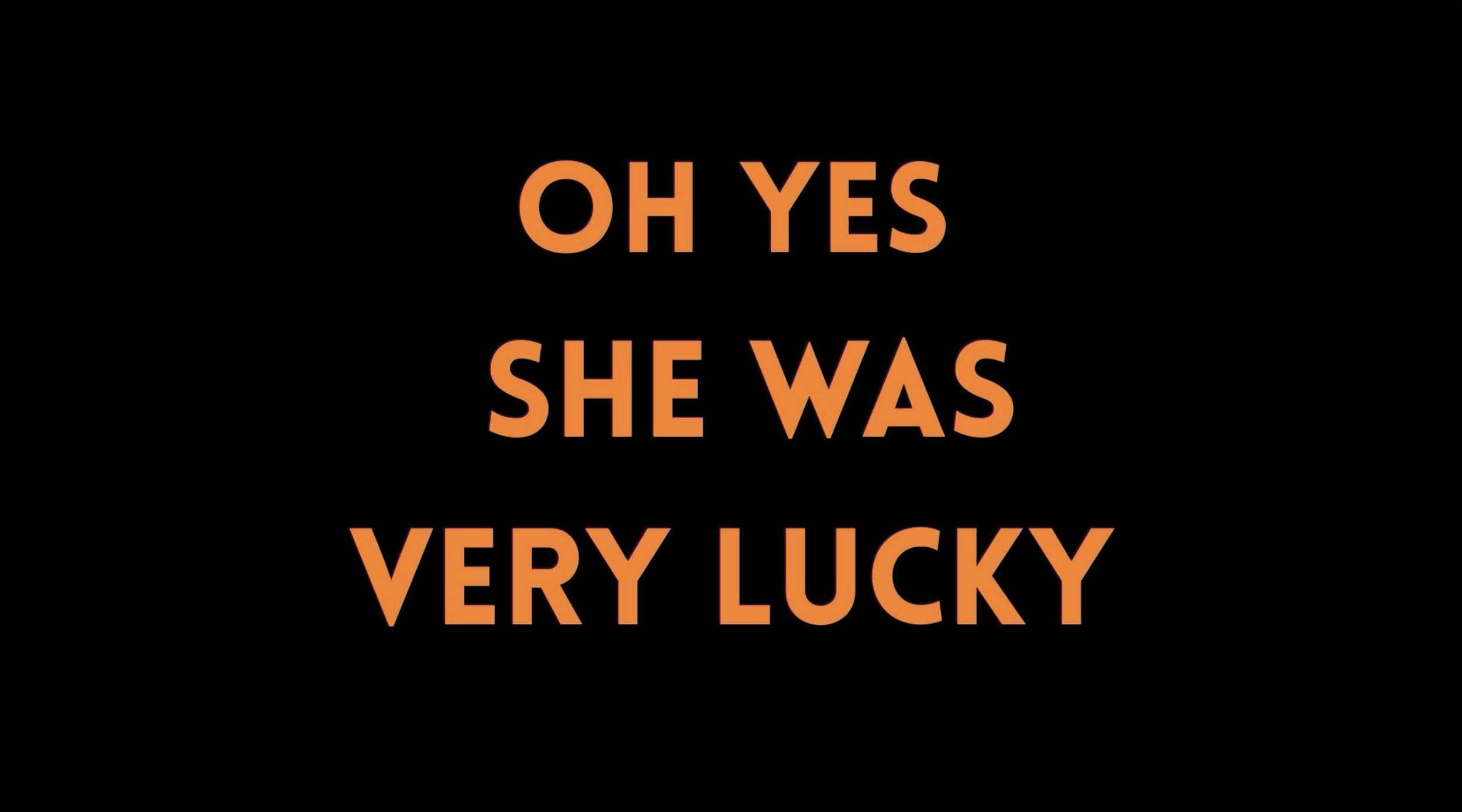
Still of photo element from ‘BINGO! Memories of County Durham Bing Halls’.
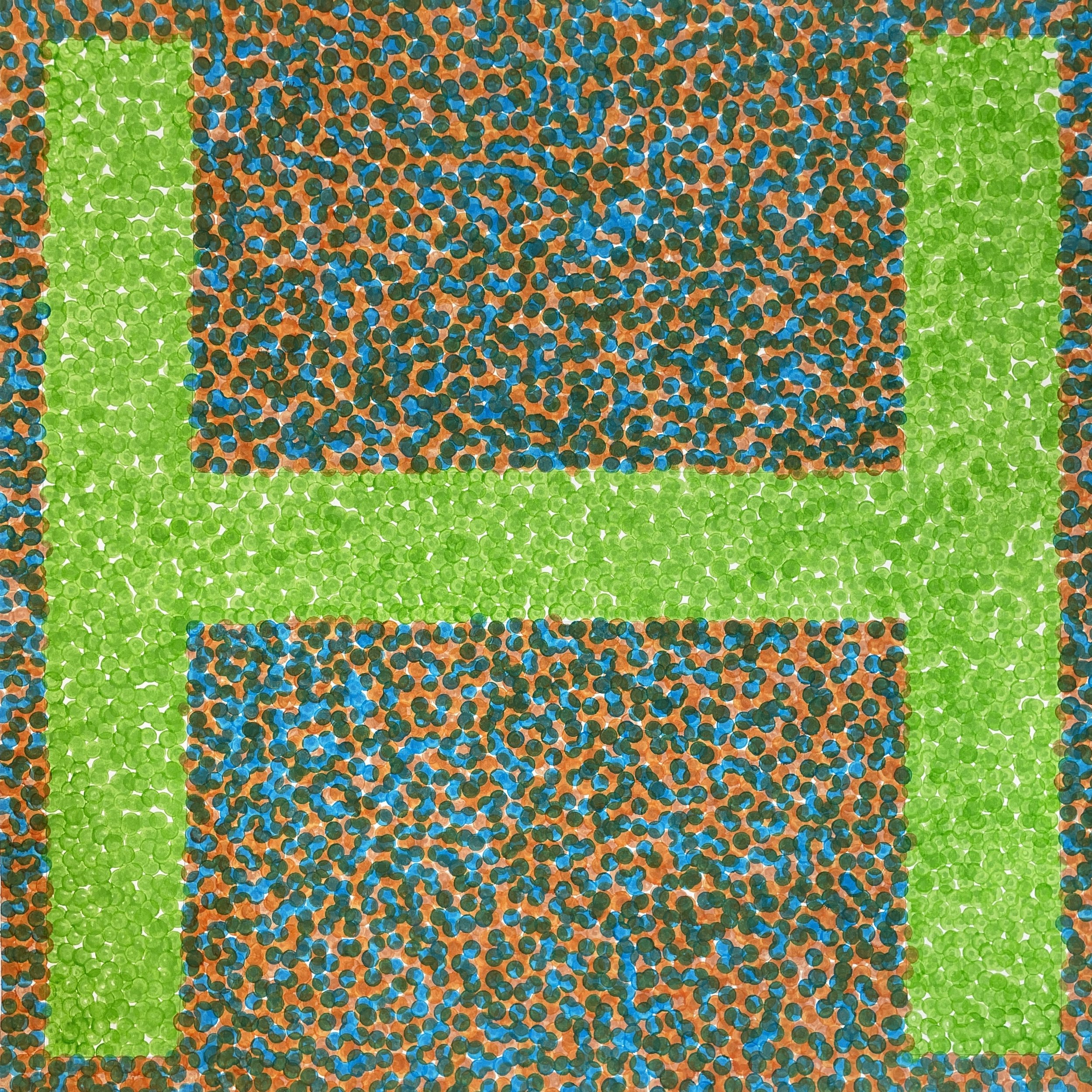
Image of one of the ‘Dabber Drawings’ by Beth Ross. Colour selection chosen to reflect one of ex Co. Durham Bingo Halls.
Supporters
The Digital Test Commissions are part of the wider No More Nowt digital programme and Digital Place Lab. They are delivered in partnership with Into The Light, OGRE Studio, and Durham County Council.
The artist would like to give special thanks to Durham Oriental Museum, Durham University and workshop participants for supporting this project.