UNTOLD STORIES: CREATING OUR QUEER LANDMARKS
2024
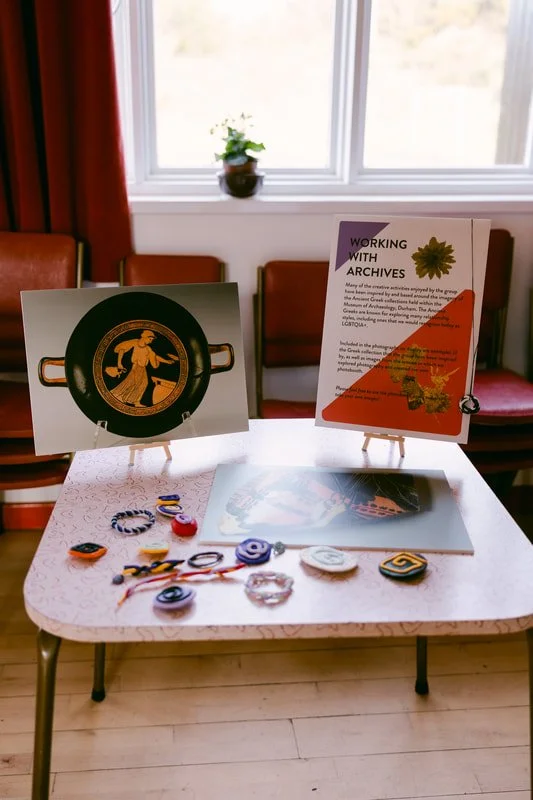
Artists Bex Harvey and Sarah Li worked with the young people from the Youth Hub at Dawdon Youth and Community Centre (DYCC), exploring the archives from Durham University, Greek mythology, specifically the story of Sappho, the ancient Greek poet from the island of Lesbos.
This new creative collective discovered that Durham Castle has a bust of Sappho, influencing conversations and many questions, perhaps the most thought-provoking being, “Are there any queer* landmarks in Durham?”

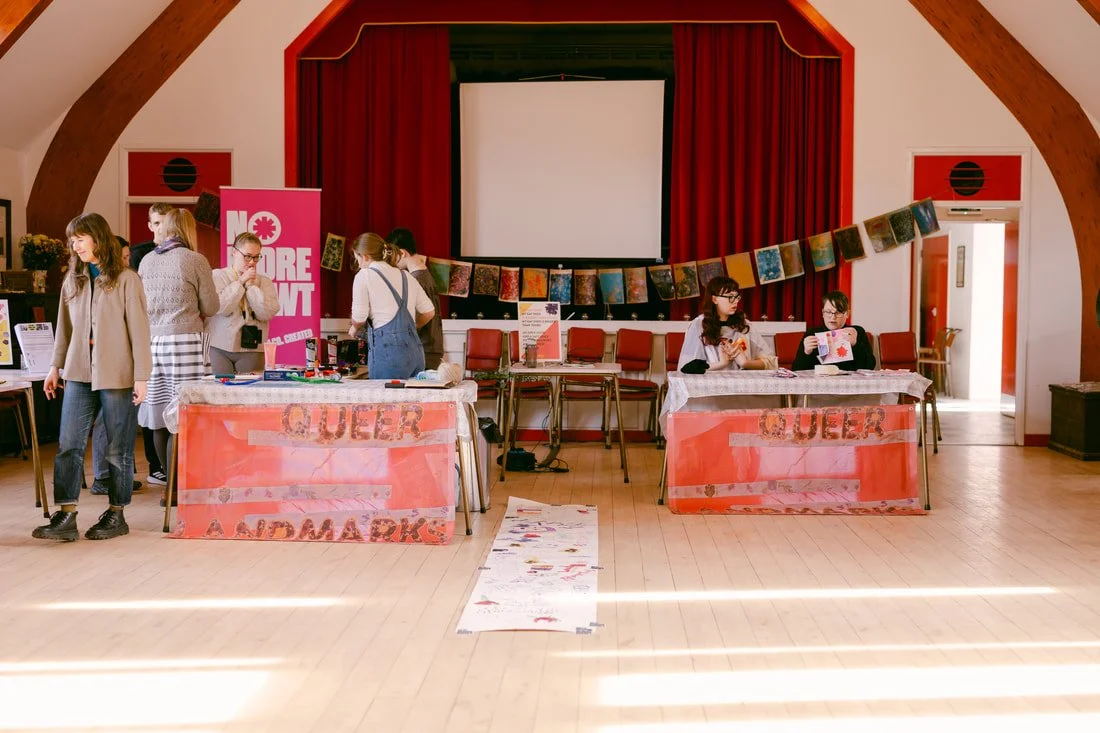
The project flag, “Queer Landmarks’, displayed at Dawdon Youth & Community Centre, Youth Hub. 2024.
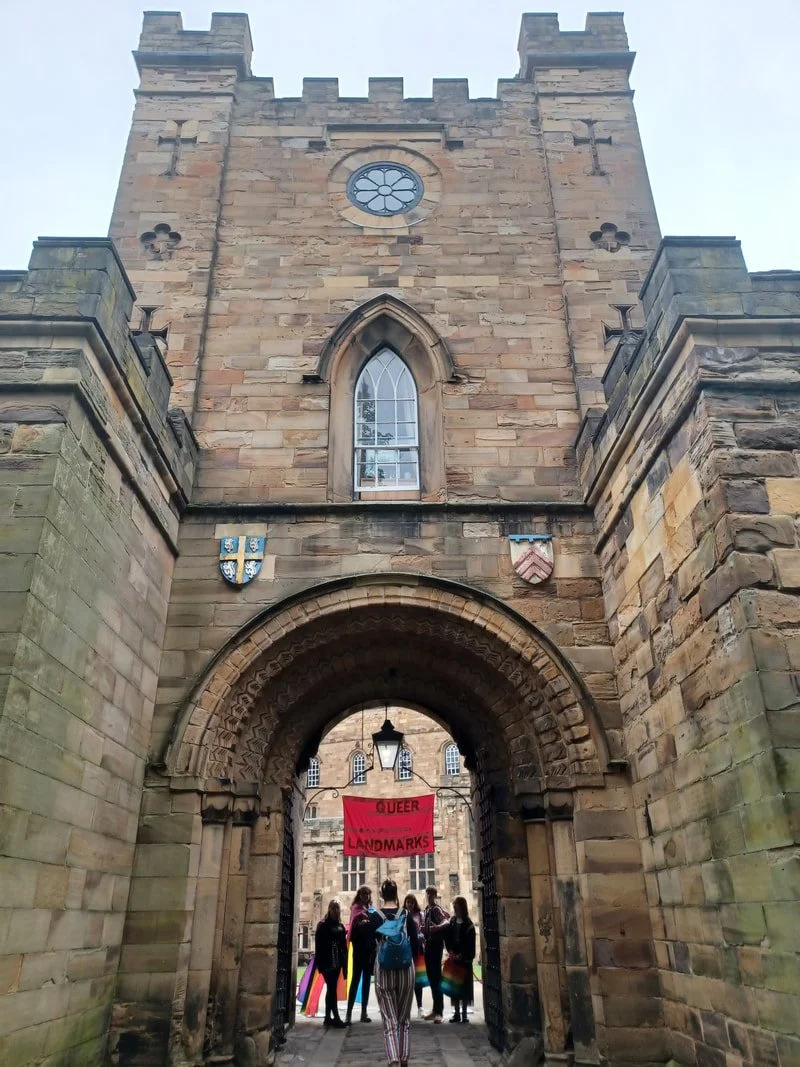
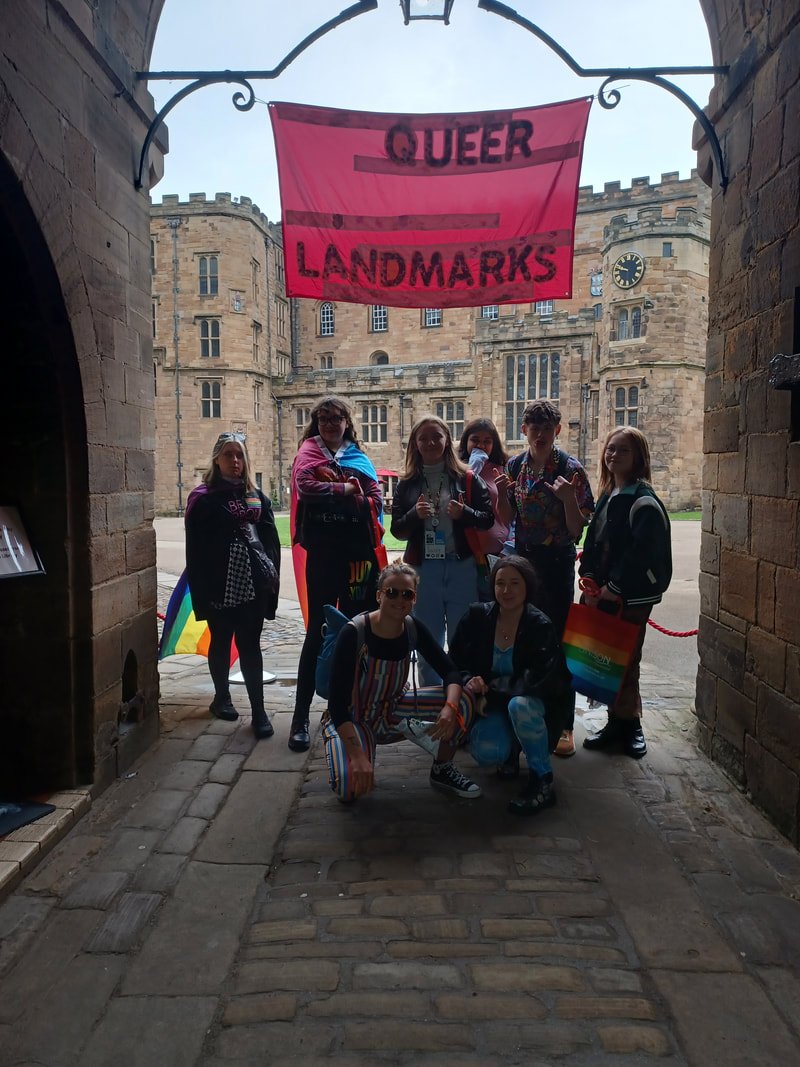
With support from the artists, the group created their own Queer Landmark, situated at DYCC (and temporarily at the entrance to Durham Castle during Durham Pride 2024). They created a flag to be flown on site, that is intended to travel around the county for relevant events as this work progresses.
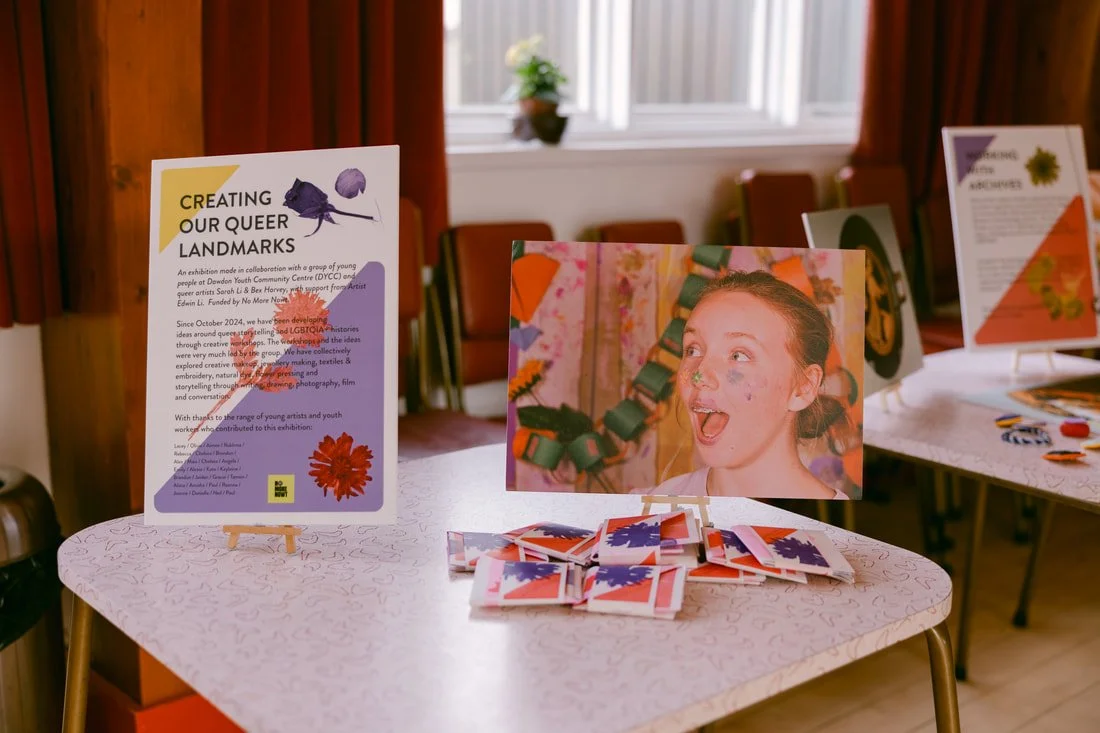
The group co-created and curated an exhibition of all of the work made throughout the workshops with the artists, proudly culminating in a public gathering for a parade and exhibition at DYCC.
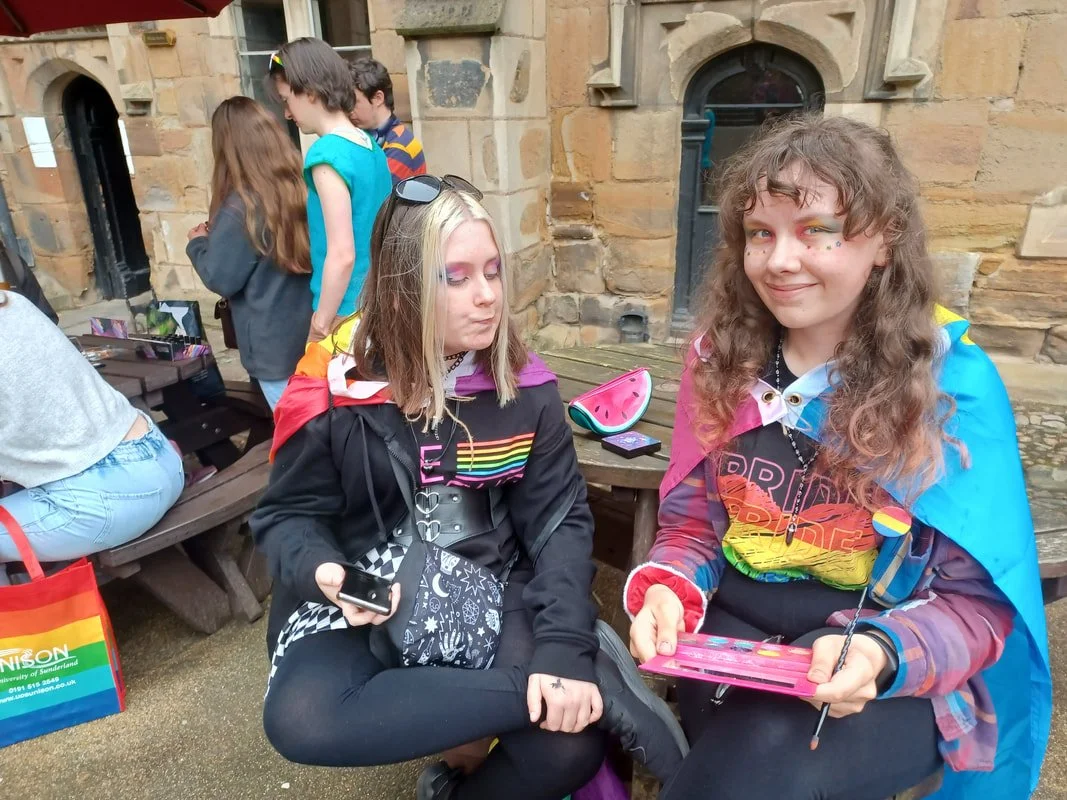
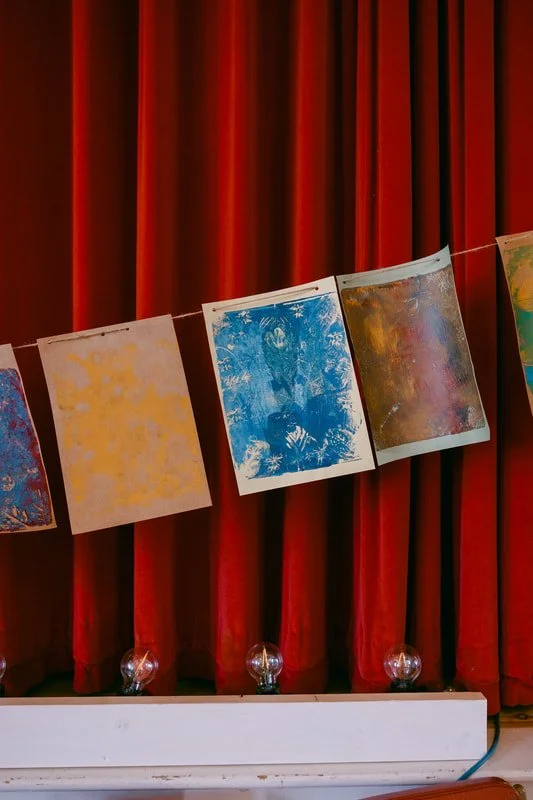
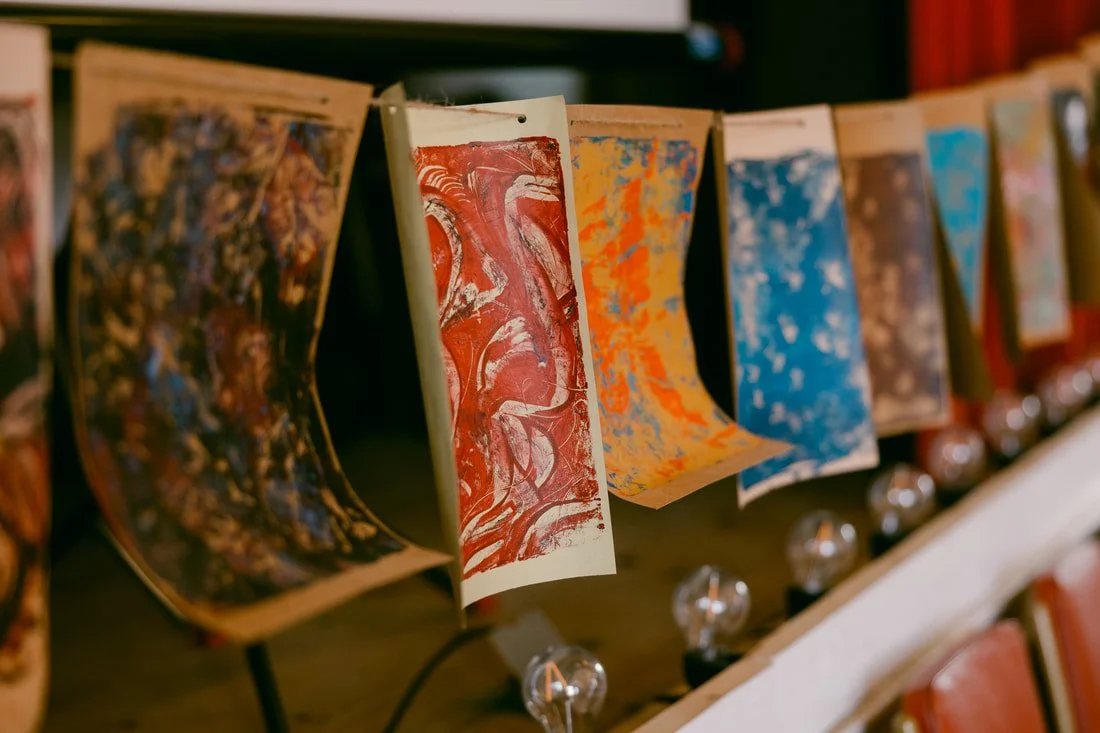
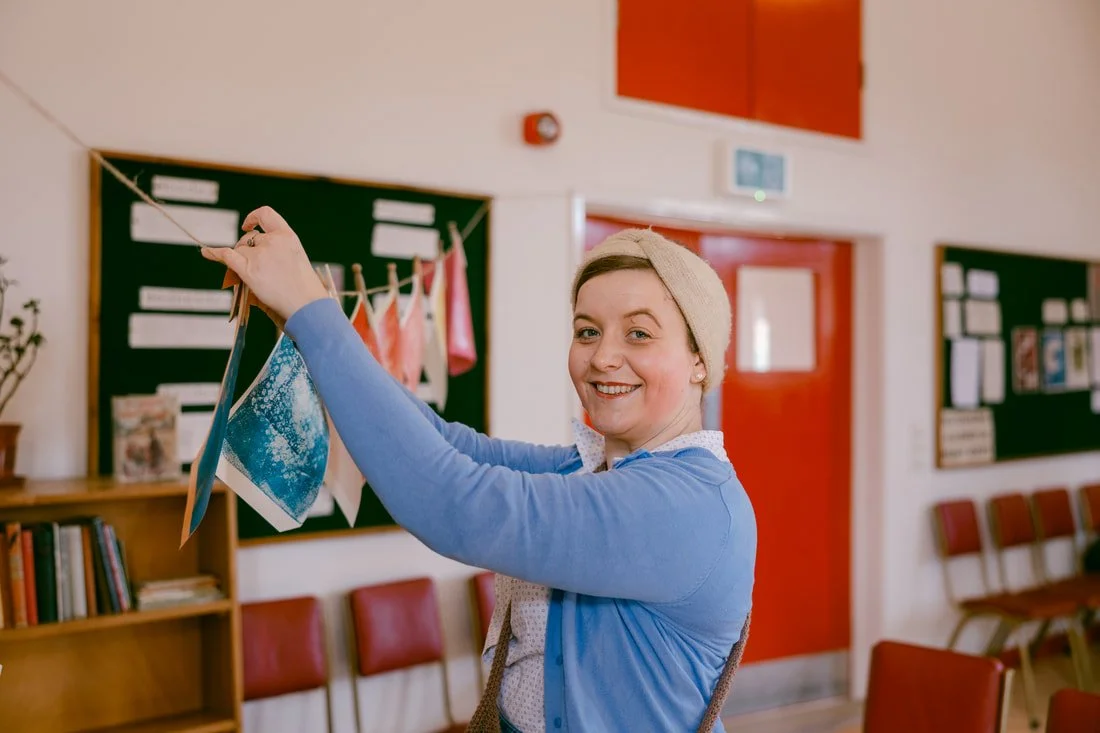
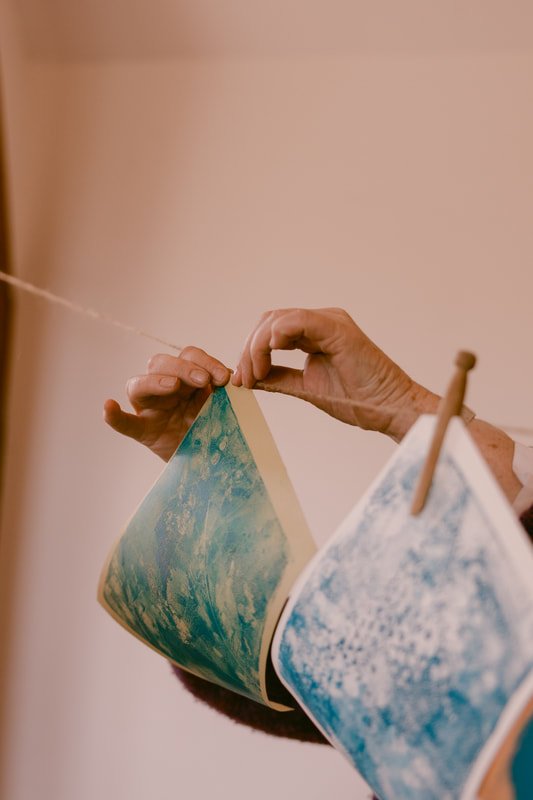
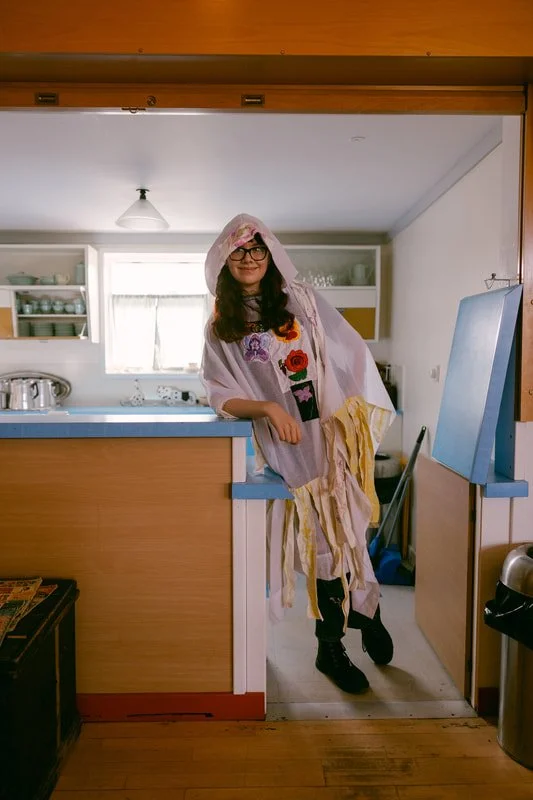
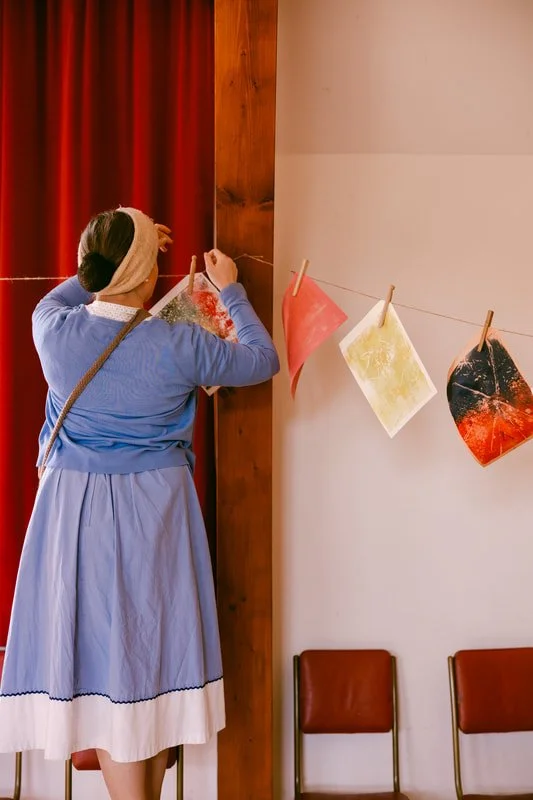
The exhibition and parade featured specially designed and handmade garments, adorned with carefully embroidered flowers, letters, jewellery alongside hand-made flags coloured with natural dyes the young people and artists had made together.
As a landmark to this work, there will be a flag raised at the DYCC - identifying the young peoples’ own Queer Landmark for County Durham.


*Queer definition (from Key Concepts in Body and Society)
"Queer's original meaning is ‘odd’ or ‘irregular’ but it became an insulting term for gay men, in English, around the 1920s. The political revivification of the word queer reclaims a term of vilification, in the way many marginalized or oppressed peoples have turned insults into empowering weapons of identity-formation. In doing so, queer has come to mean more than ‘gay man’. As an identity, at its widest, it includes all sexualities that are not hetero-normative. As a political practice, queering is an act of re-reading and disrupting narratives of heterogeneous hetero-normativity. As a theory and an academic practice, its agenda is to show that queerness is and always has been present across time, space and cultures."
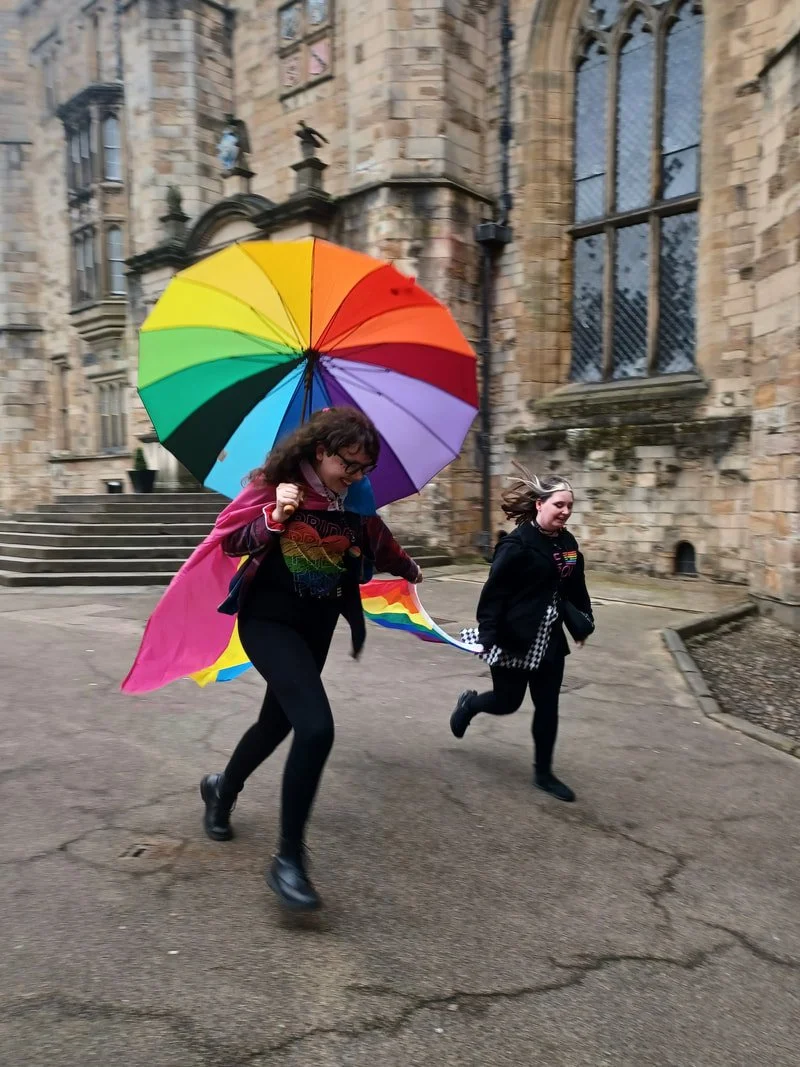
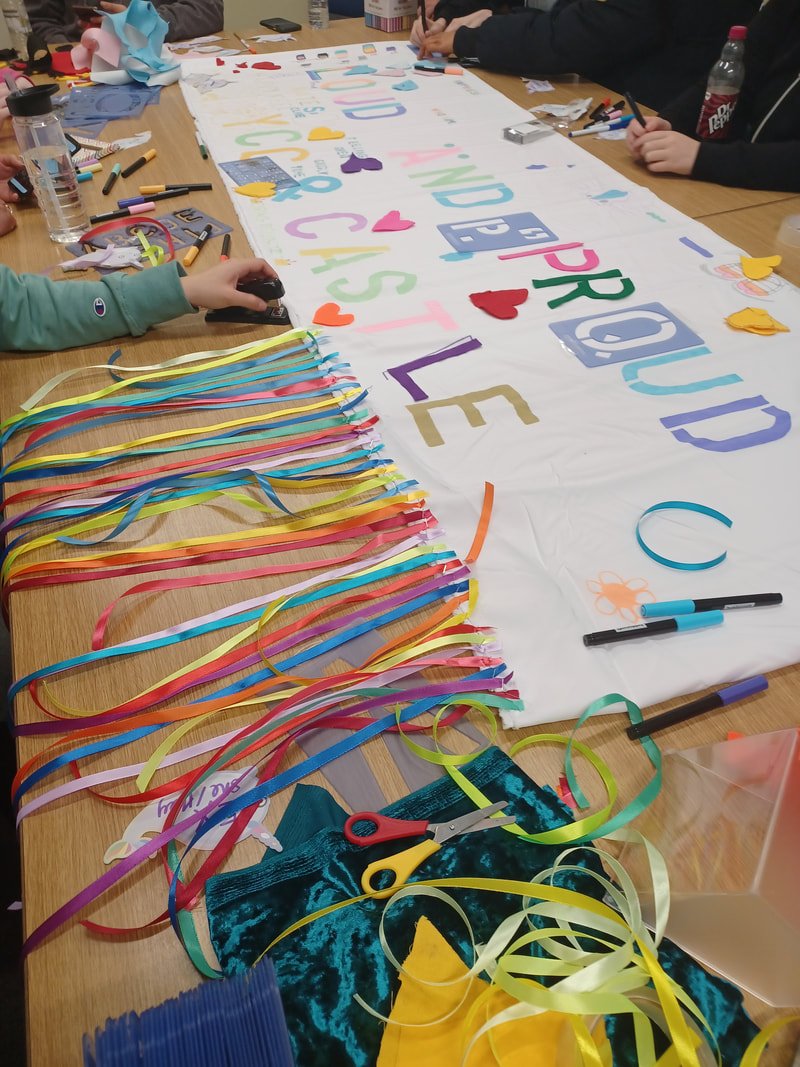
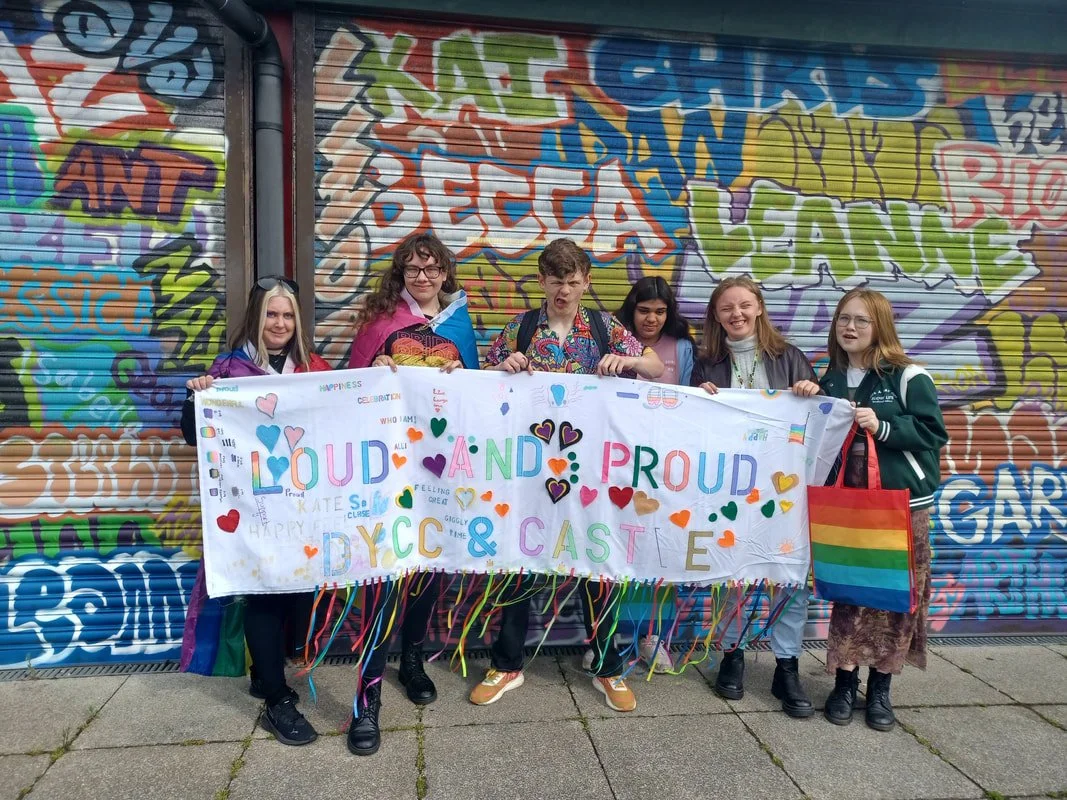
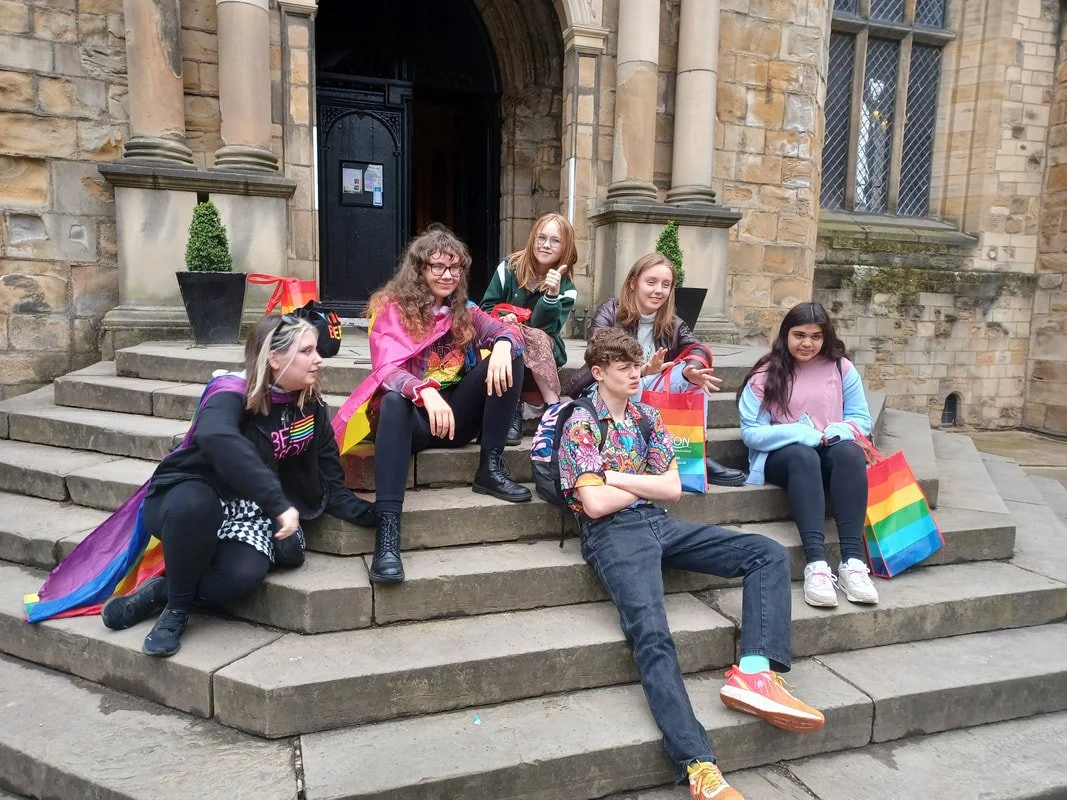
In order to continue their celebration of Queerness in County Durham, Durham Castle, part of Durham University, invited the young people and the artists to hang the flag at the Castle to celebrate Durham Pride. The group visited the Castle for Durham Pride to look at the Queer Landmark that they had created and walk pride with a co-created banner which was made with the support of the artists and students from Durham University.
Even though it poured down with rain, it didn't dampen the group's spirits, as documented by the Newcastle Chronicle!
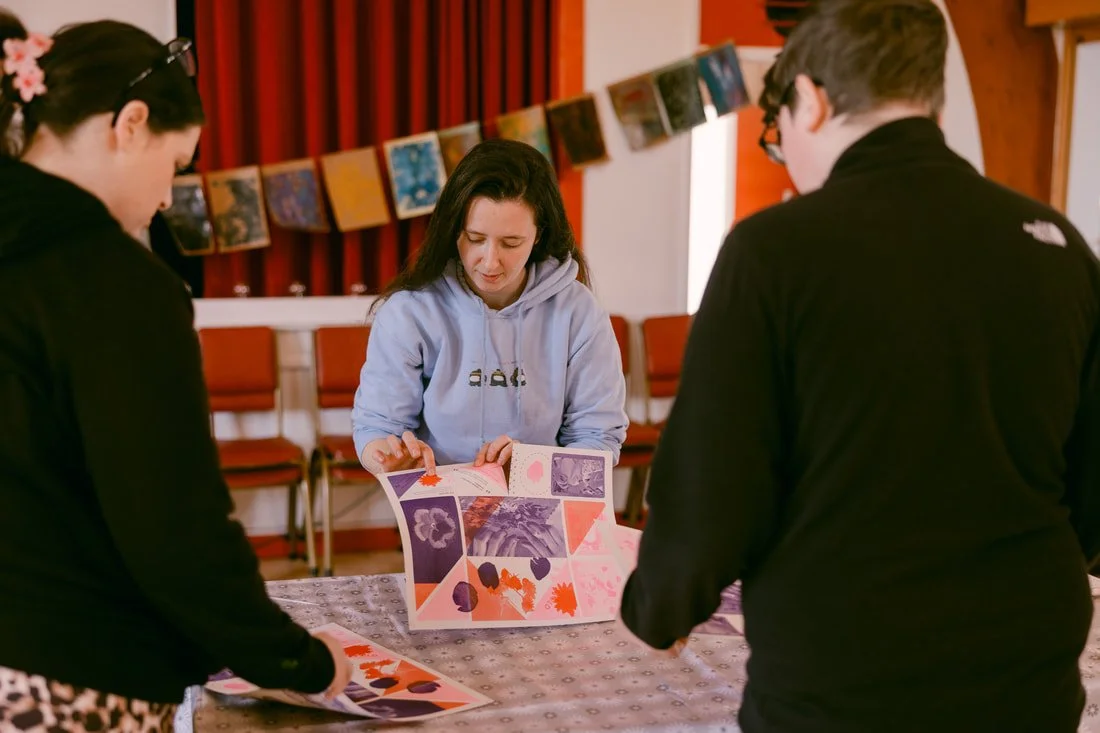
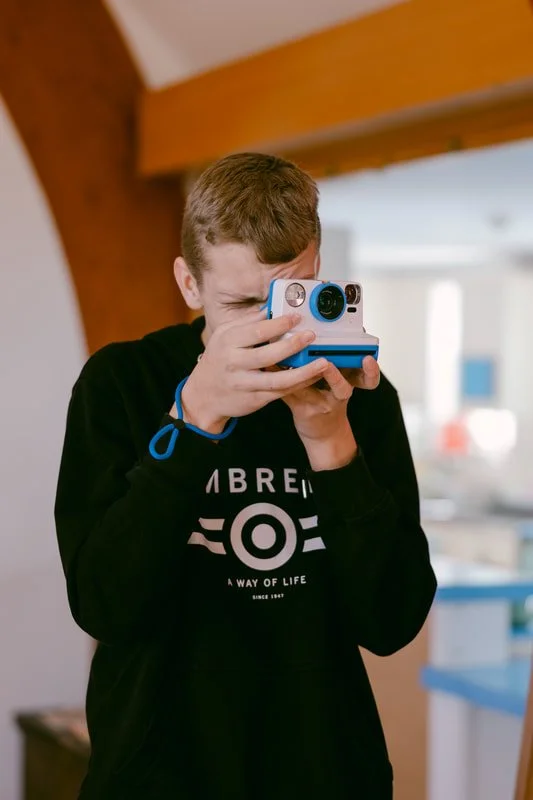
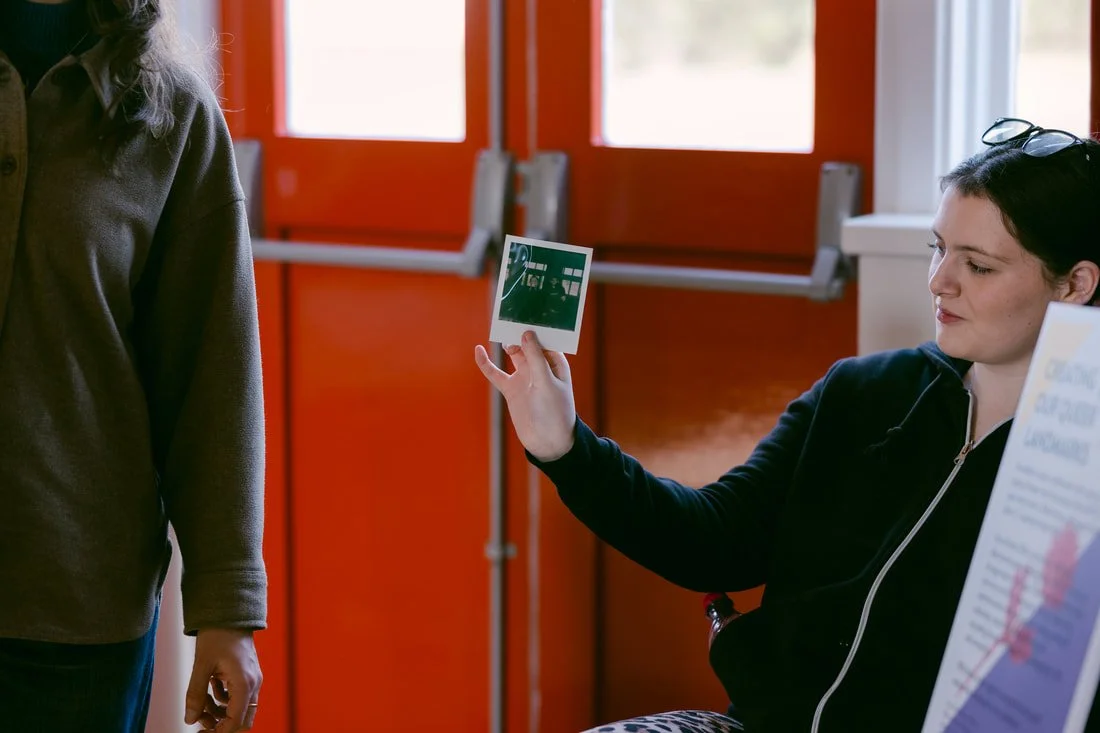
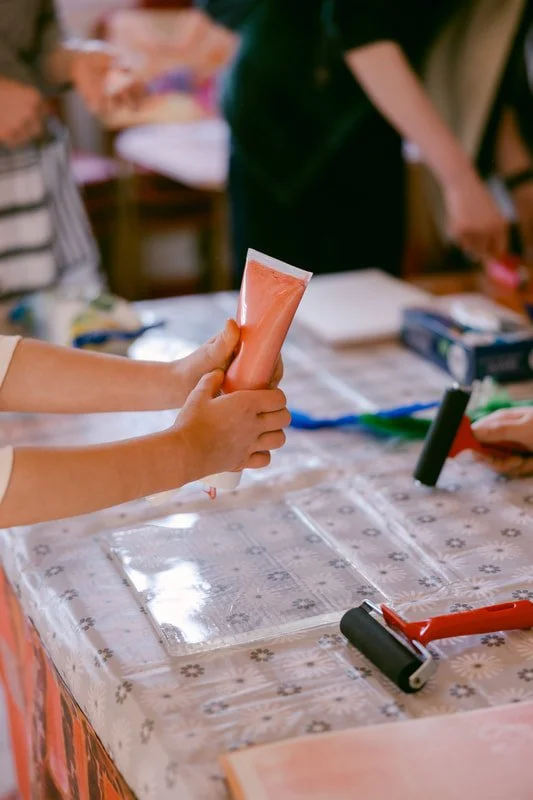
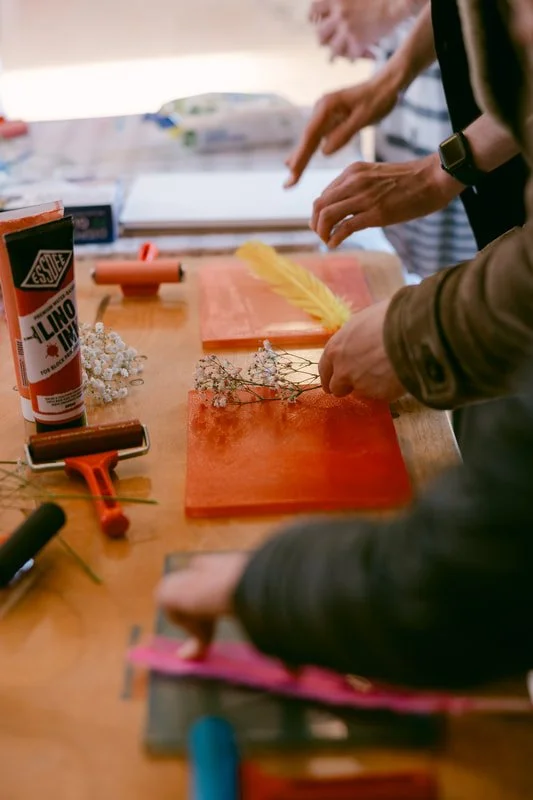
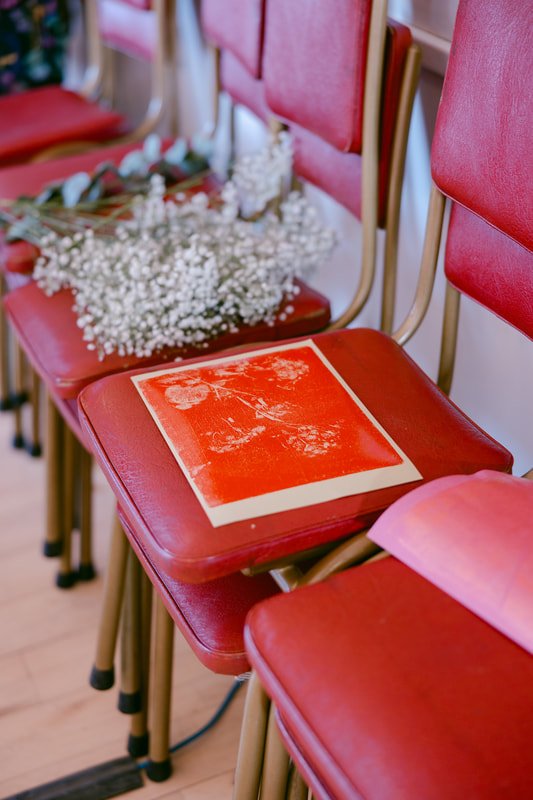
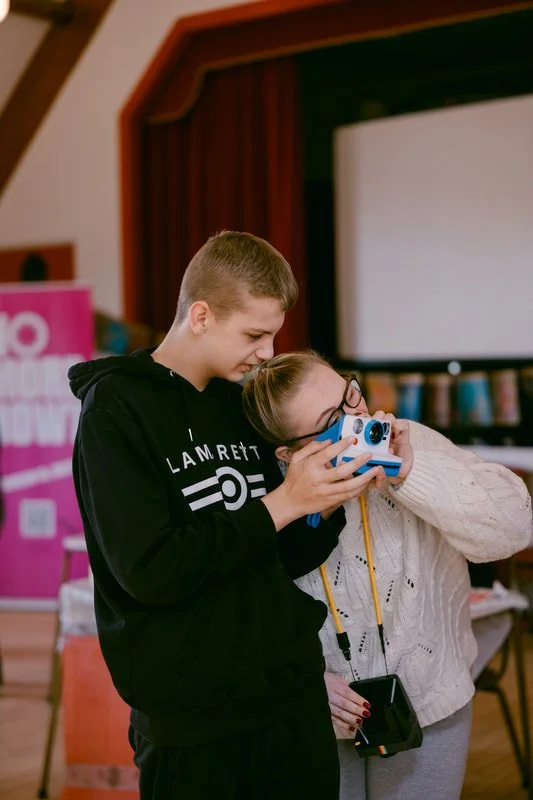
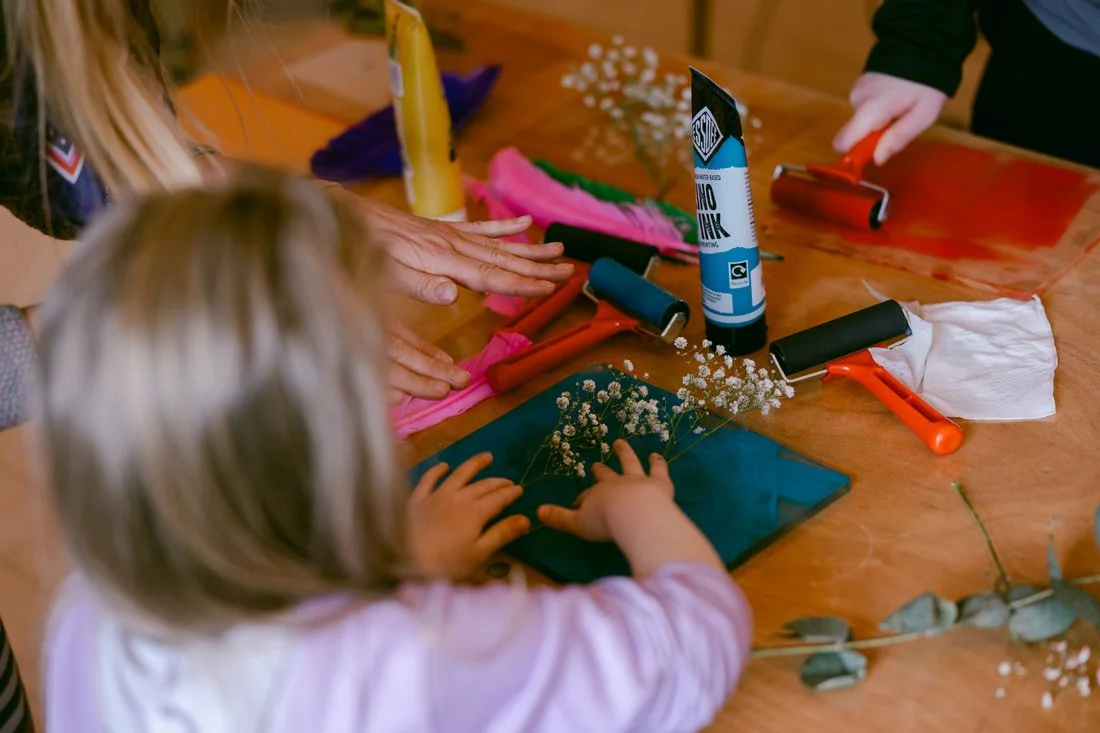
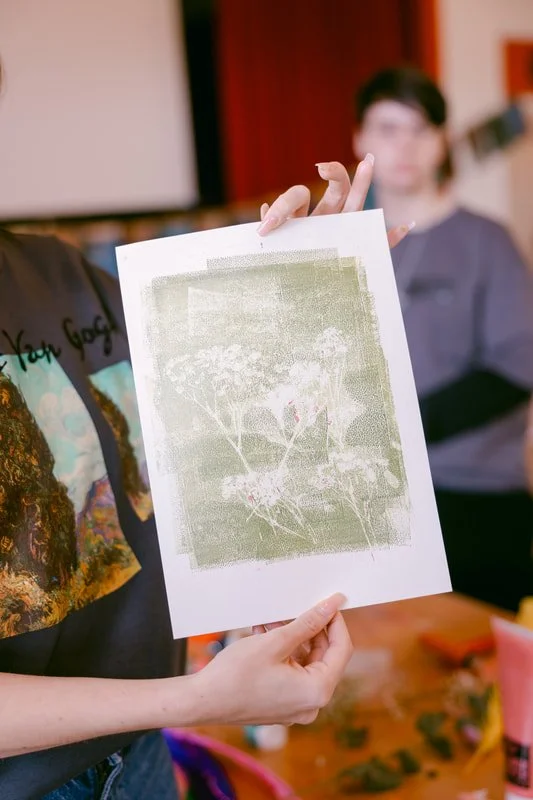
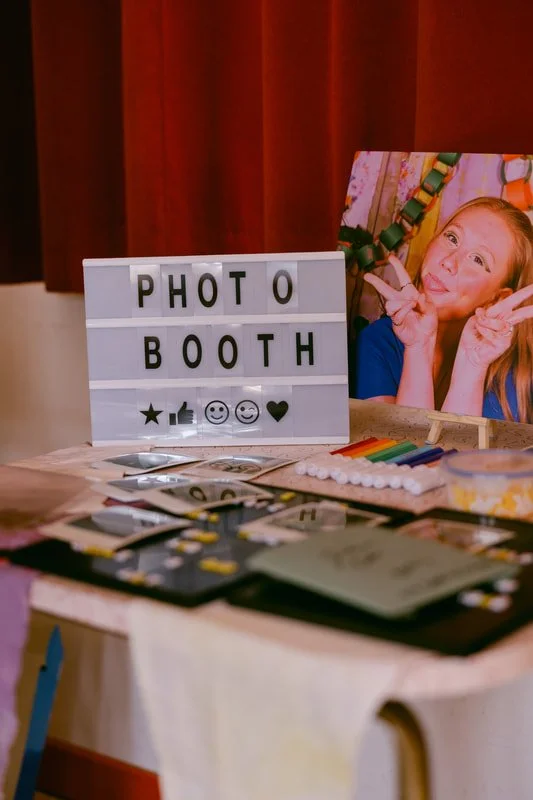
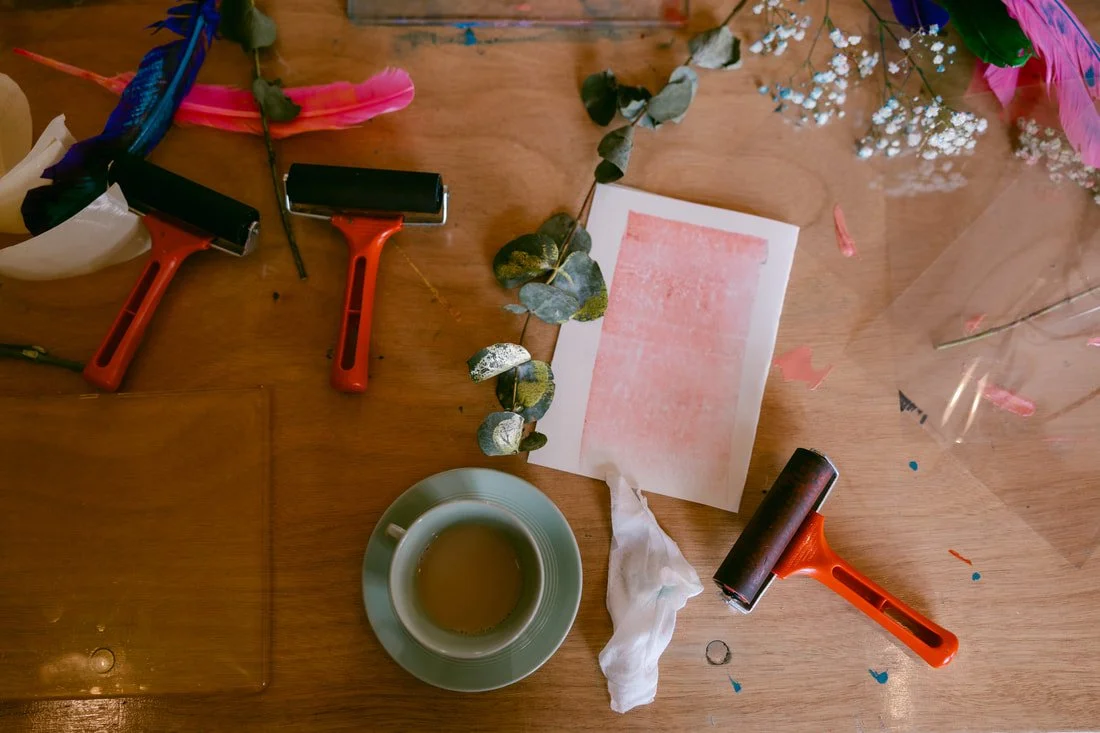
The exhibition and flag was shown for a third time at Beamish, in which the artists delivered more workshops. They also took the young people to Beamish including for their exhibition opening. In the workshops leading up to this exhibition, they looked at music, sound and design in creating a sense of home. They also did gelli plate printmaking and practiced how they would show others how to create a print. This was so the young people could act as artists and facilitators with the general public. The young people did a photography session which enabled them to think about how to run the photo booth which was also a part of their exhibition. More than 1300 people viewed the exhibition and took part in the pop-up workshops.
Project Partners:
— Dawdon Youth and Community Centre (NMN Cultural hub) and the DYCC Youth Hub
— Durham University (Museum of Archaeology Durham / Durham University Collections)
— Artists Sarah Li and Bex Harvey
— Commissioned by No More Nowt and funded by Arts Council England.